
Heavy Duty Bags for Dog Waste: The 2026 Buyer’s Guide
Thin, flimsy bags are the number one reason dog owners dread cleanup. Nothing ruins a walk faster than a tear at the wrong moment. That is why heavy duty bags designed for dog waste have become a must-have in 2026, whether you own a Chihuahua or a Great Dane. The right bag holds up under pressure, blocks odor, and gives you the confidence to grab, tie, and toss without a second thought.
This buyer’s guide breaks down what actually makes a waste bag “heavy duty,” how thickness and material affect performance, and how to match the right bag to your dog and lifestyle. No fluff, just the facts you need before your next order.
What Makes a Waste Bag Truly Heavy Duty?
Marketing loves the phrase, but real durability comes down to measurable traits. A genuinely tough bag resists punctures, stretches without splitting, and seals in smell. The difference shows the instant you pick up after a large dog on gravel.
- Thickness (mil rating): heavier bags run 18 microns or more, versus 8–10 for budget rolls.
- Material blend: reinforced polyethylene resists tearing far better than cheap film.
- Leak-proof seams: welded bottoms stop the dreaded blowout.
- Generous size: longer, wider bags let you tie a clean knot with room to spare.
- Odor control: some formulas trap smell, a lifesaver in warm weather.
A quality set of heavy duty bags checks every box, which is why owners of big breeds refuse to go back to the flimsy kind once they switch.
Thickness and Size: Matching the Bag to Your Dog
Bigger dogs need bigger, thicker bags. It sounds obvious, yet many owners buy one generic roll and wonder why it fails. Use the table below as a starting point.
| Dog Size | Recommended Thickness | Bag Length | Typical Use |
|---|---|---|---|
| Small (under 20 lb) | 12–15 microns | Standard | Daily walks |
| Medium (20–50 lb) | 15–18 microns | Long | Walks and yard |
| Large (50–90 lb) | 18–22 microns | Extra long | Yard cleanup, multiple pickups |
| Giant (90 lb+) | 22 microns+ | Extra long/wide | Heavy loads, kennels |
When in doubt, size up. A slightly larger bag costs pennies more and gives you a cleaner, more secure tie every time.
Are Heavy Duty Bags Worth the Extra Cost?
Skeptics ask whether thicker bags justify their price. The math favors quality. A cheap bag that tears forces a re-clean, wastes two or three more bags, and risks contact with waste. Multiply that across a year and the savings from a reliable bag add up fast.
There is a hygiene angle too. Dog waste carries bacteria and parasites; the CDC’s guidance on healthy pets stresses prompt, sealed disposal to prevent the spread of illness. A bag that holds together is a small investment in your family’s health.
Pairing Bags With the Right Scooper
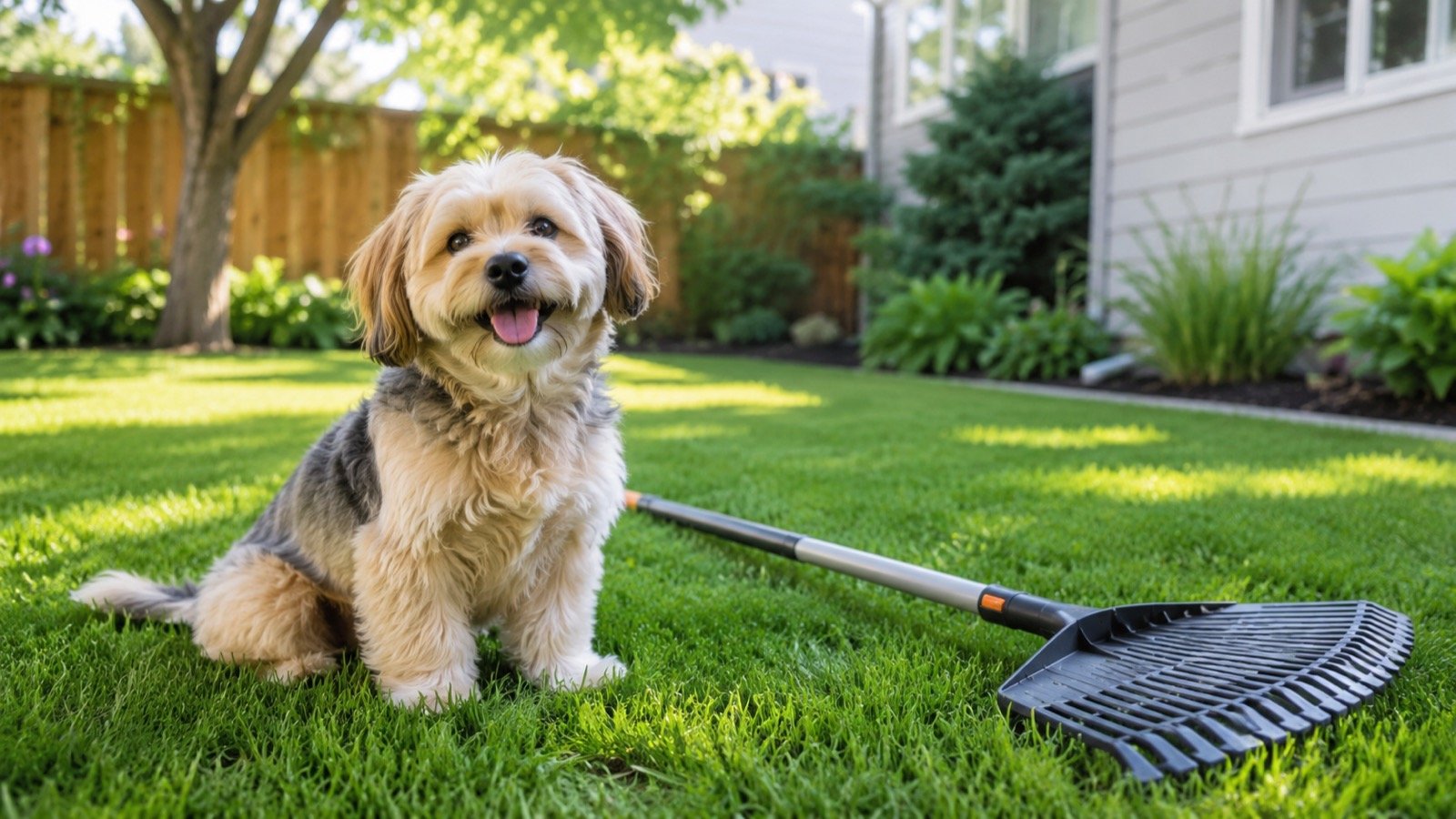
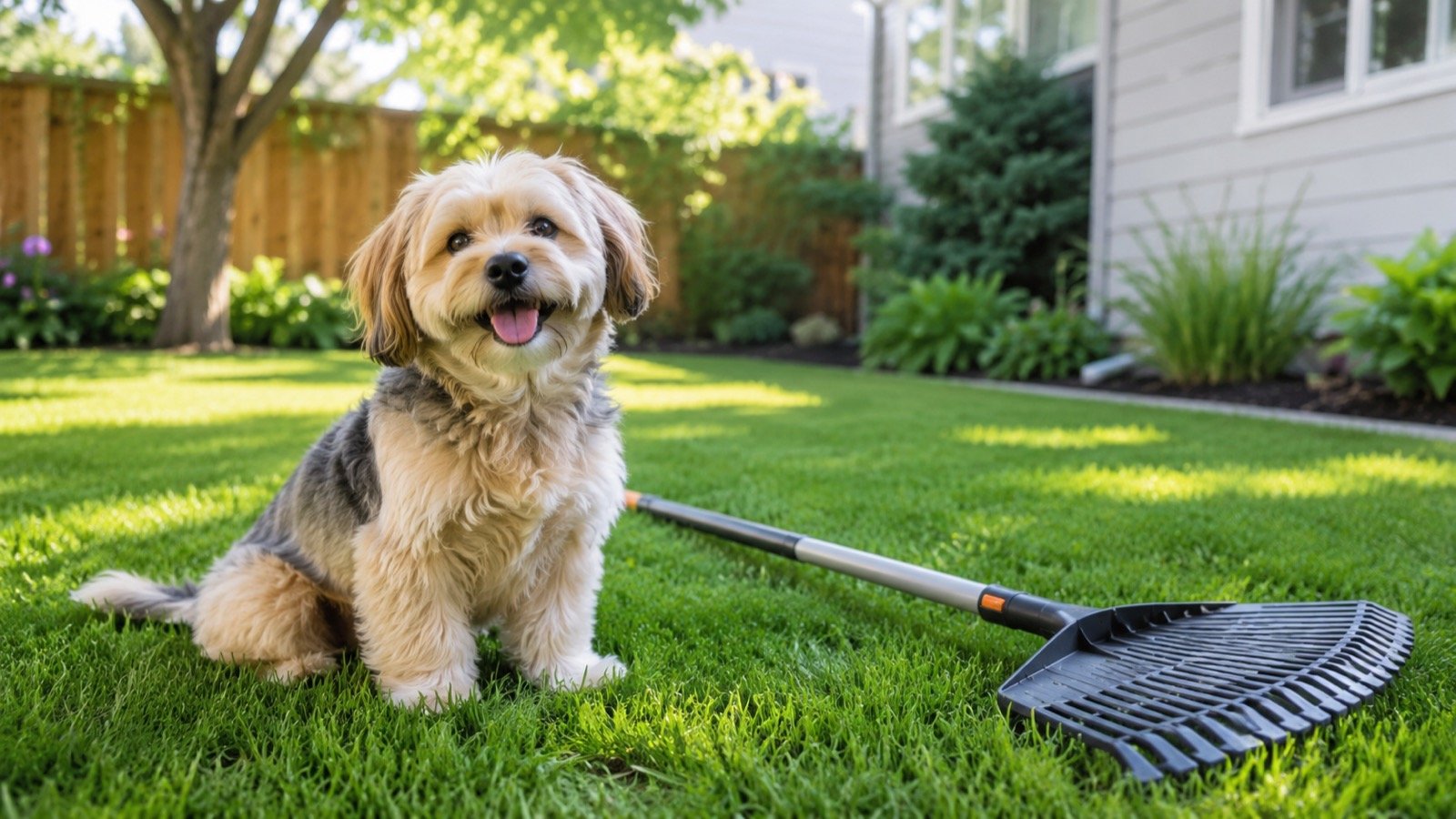
For yard duty, bags work best alongside a solid tool. A sturdy Pooper scooper lets you lift waste cleanly and drop it straight into the bag, keeping your hands well away from the mess. Together, the two turn cleanup into a five-second task.
How to Choose the Right Roll, Step by Step
Shopping for waste bags does not have to be guesswork. Follow this simple order and you will land on the right product the first time.
- Weigh your dog and pick the matching thickness from the table above.
- Decide between scented and unscented based on your sensitivity to odor.
- Check whether the roll fits your leash dispenser or holder.
- Read reviews specifically mentioning tear resistance.
- Buy a bulk pack once you confirm the fit and quality.
Buying from trusted professionals who specialize in pet cleanup gear ensures consistent thickness batch after batch, something generic store brands rarely guarantee.
Storage, Dispensing, and Everyday Tips
Even the best bag underperforms if it is stored badly. Keep rolls out of direct sun and extreme heat, which can weaken the film over time. Stash a spare roll in your car, your jacket pocket, and by the leash so you are never caught short.
For multi-dog homes, keep a dispenser clipped near the door. Consistency is what keeps a yard clean, and having bags within reach removes every excuse to skip a pickup.
Common Mistakes Dog Owners Make With Bags
Even seasoned owners fall into a few avoidable traps when buying and using waste bags. Sidestep these and your cleanup routine gets noticeably smoother.
The biggest error is buying purely on price. A rock-bottom roll that tears forces you to use two or three bags per pickup, wiping out any savings and risking a messy failure at the worst moment. The second mistake is ignoring bag length; a bag that is technically thick but too short leaves no room for a secure knot, so odor and leaks escape.
A third common slip is storing rolls in a hot car for months, where heat gradually weakens the film. Finally, many owners forget to keep backups in multiple spots. Running out mid-walk tempts people to skip a pickup entirely, which is exactly what responsible ownership avoids. Keep a spare roll in your jacket, your car, and by the leash, and you will never be caught unprepared.
Frequently Asked Questions
What thickness counts as a heavy duty dog waste bag?
Anything around 18 microns or more generally qualifies as heavy duty. Budget bags often sit near 8 to 10 microns, which explains their tendency to tear. For large breeds, aim for 20 microns or higher for reliable, mess-free pickups.
Are thicker bags biodegradable?
Some are, but not all. Thickness and biodegradability are separate features. If eco-impact matters to you, look specifically for a compostable or plant-based label, and dispose of the bag according to your local composting or waste rules.
Can I use heavy duty bags for cat litter too?
Yes. Their puncture resistance and odor control make them excellent for scooped litter, kitchen scraps, and diaper disposal. Many owners keep one bulk pack for every messy job around the house, not just dog walks.
How many bags should I keep on hand?
Buy in bulk so you never run out mid-week. A single dog on daily walks uses roughly one to two bags a day. A multi-month supply costs little and spares you emergency trips to the store.
Conclusion
Choosing the right heavy duty bags is a small decision that pays off on every walk and yard cleanup in 2026. Match the thickness to your dog’s size, favor welded seams and generous length, and buy in bulk from a specialist you trust. Pair the bags with a good scooper and you will handle waste quickly, hygienically, and without a single stressful blowout. Upgrade your rolls this week and feel the difference on your very next outing.