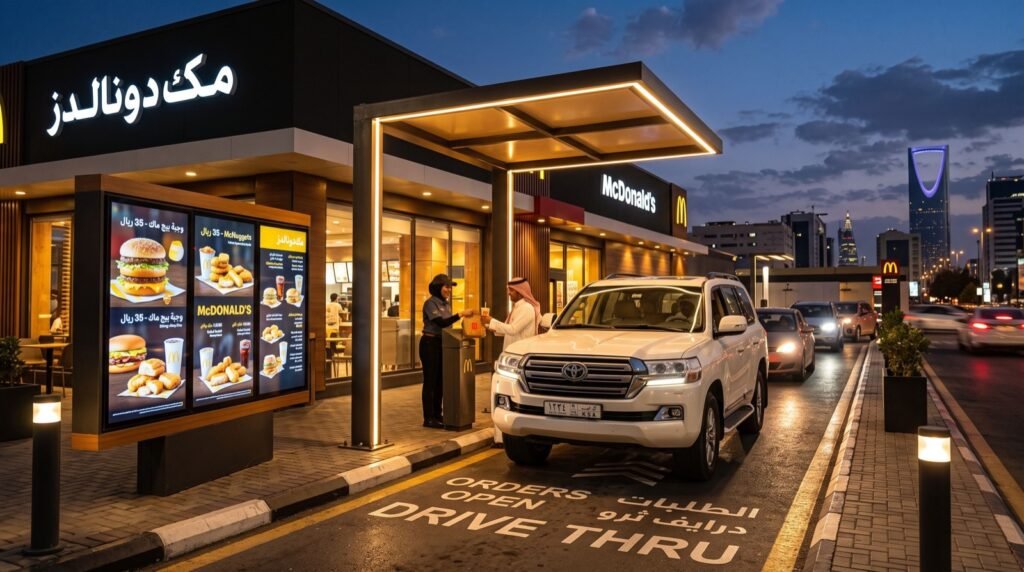
Drive-Thru and Queue Technology: How Smart Service Systems Speed Up Every Line in 2026
Speed is the currency of modern service. Whether a customer sits in a car lane or stands at a counter, the seconds they wait shape whether they come back. In 2026, restaurants and service centers are merging drive-thru technology with digital queuing to squeeze delay out of every interaction.
This article breaks down how these connected systems work, why headset audio and order-timing matter, and how to build a stack that keeps both lanes and lobbies moving. The goal is simple: fewer abandoned orders and happier, faster-served customers.
The Two Faces of Modern Service Flow
Most high-volume businesses now manage two waiting environments at once. The lobby uses ticketed queuing; the exterior lane uses drive-thru order and audio systems. When these share a data backbone, managers finally see the whole picture.
That unified view is the difference between guessing and knowing. A dashboard that shows both counter wait and lane wait lets a supervisor rebalance staff in real time instead of reacting to a backup after it happens.
Why Drive-Thru Still Dominates
Drive-thru continues to drive a majority of quick-service revenue in many markets, and demand has not slowed. Investing in speed at the lane pays back quickly because throughput directly caps how much a location can sell during a rush.
Inside a Modern Drive-Thru System
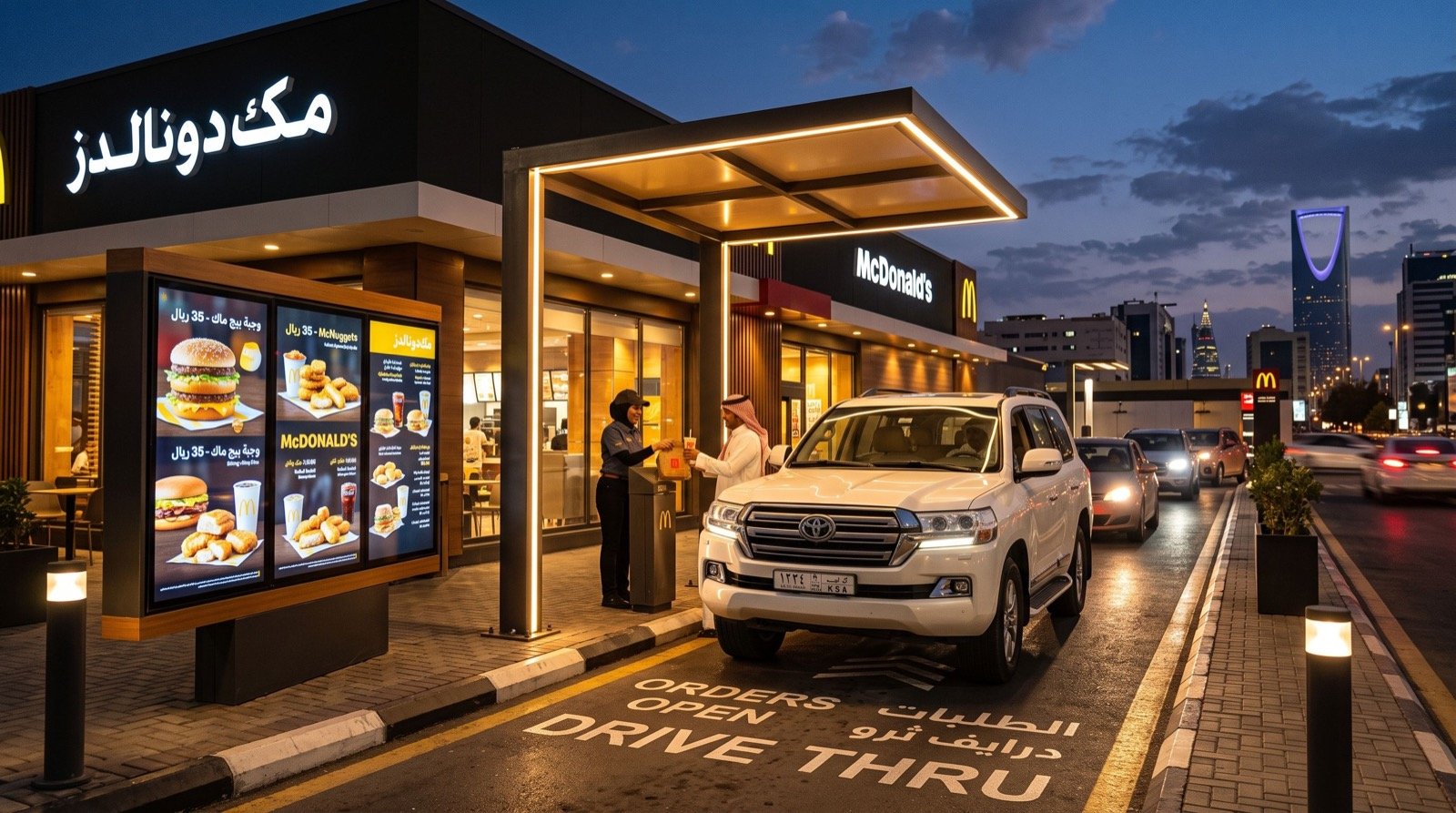
A drive-thru is a small communications network. Crystal-clear audio, reliable headsets, and accurate order confirmation screens all depend on solid engineering behind the wall.
- Duplex audio base & headsets: clear, hands-free two-way conversation with the customer.
- Vehicle detection loops: sensors that time each car and trigger greetings.
- Order confirmation displays: screens that reduce errors and disputes.
- Timer analytics: software measuring greet, order, and total lane time.
Operators comparing an HME drive thru in pakistan setup often start with headset audio quality, because muffled sound at the speaker post creates order errors that ripple through the entire lane and frustrate staff.
How Do Queue and Drive-Thru Systems Actually Reduce Wait?
They reduce wait by measuring it. You cannot fix what you do not track, and these systems turn invisible delay into visible numbers.
Three mechanisms do the heavy lifting:
- Precise timing flags which stage of service is slow.
- Predictive staffing opens stations before the queue overflows.
- Customer visibility — screens and estimates — reduces perceived wait and abandonment.
The same logic applies indoors. A queue management system in saudi arabia, for instance, routes lobby visitors to the right counter while capturing service-level data, mirroring how a drive-thru times each lane stage. Together they form one continuous efficiency loop.
Comparing Queue vs Drive-Thru Priorities
Both aim for speed, but the levers differ. Use this table to decide where to focus first.
| Factor | Lobby Queue | Drive-Thru Lane |
|---|---|---|
| Primary bottleneck | Counter availability | Order & payment speed |
| Key hardware | Kiosks, signage | Headsets, sensors, screens |
| Top metric | Average wait time | Total lane time |
| Customer signal | Ticket & screen calling | Confirmation display |
Building a Reliable Foundation
None of this works without dependable infrastructure. Audio dropouts, laggy screens, and offline kiosks erode trust faster than a slow line ever could.
Cabling, power, and network resilience deserve real attention during installation. Getting that groundwork right is where reliable local experts prove their worth, ensuring every component stays synchronized through peak-hour stress rather than failing when volume spikes.
Follow Recognized Communication Standards
Two-way radio and wireless audio gear must respect regional spectrum rules. In the United States, the Federal Communications Commission publishes device authorization requirements worth reviewing during procurement — see the FCC equipment authorization guidance to confirm any headset or base station is compliant before deployment.
Rolling Out New Service Technology Without Disruption
Deploying new lane and lobby technology during live trading feels risky, and rushing it usually is. A phased rollout keeps revenue flowing while your team adapts to the new tools at a sustainable pace.
Start with a single pilot location. Let that site prove the routing rules, timer thresholds, and audio settings before you replicate anything across the network. Real-world traffic surfaces edge cases that no planning document ever predicts.
A Sensible Phased Approach
- Install and test after hours so peak service is never at risk.
- Train a small champion group who can then coach their peers.
- Run a two-week pilot and log every audio drop or routing hiccup.
- Tune thresholds based on real timer data, not assumptions.
- Scale branch by branch, carrying lessons forward each time.
Communication matters as much as hardware. Tell frontline staff why the change helps them, not just management, and adoption climbs quickly. Agents who understand that clearer audio reduces their own frustration become your best advocates.
Budget for support, too. The first month after go-live generates the most questions, so keep a responsive help path open. That early investment prevents small annoyances from hardening into resistance that stalls the whole project.
A Field-Tested Optimization Tip
One tactic consistently shaves seconds: separate the greet from the order. Detect the vehicle, greet immediately, then let the customer read the menu while your system logs the timestamp. That early greeting resets the customer’s patience clock and buys your team room without any extra staff.
Pair it with a monthly review of stage-level timers. Small, repeated adjustments beat one big overhaul, and they keep both lane and lobby trending faster over time.
Frequently Asked Questions
Can drive-thru and lobby queuing run on one platform?
Increasingly, yes. Many modern platforms unify lane timers and lobby queue data into a single dashboard, giving managers one view of total service performance rather than two disconnected systems.
What causes most drive-thru delays?
Order accuracy and payment friction top the list. Poor audio creates mistakes that require correction, and slow payment stacks cars. Clear headsets, confirmation screens, and streamlined payment address the biggest offenders.
How is drive-thru performance measured?
The core metric is total lane time, broken into greet, order, and service stages. Timer analytics tie each car to these segments so you can pinpoint exactly where seconds leak.
Do I need new hardware to improve wait times?
Not always. Better staffing logic and audio tuning often help first. But aging headsets or failing sensors do eventually cap performance, so plan hardware refreshes into your roadmap.
Conclusion
Fast service in 2026 comes from treating the drive-thru and the lobby queue as one connected system. Measure every stage, invest in clean audio and reliable infrastructure, and let real data guide staffing. Do that consistently and you convert waiting time into loyalty. Ready to speed up your lines? Audit your current lane and counter timers this week, then upgrade the weakest link first.